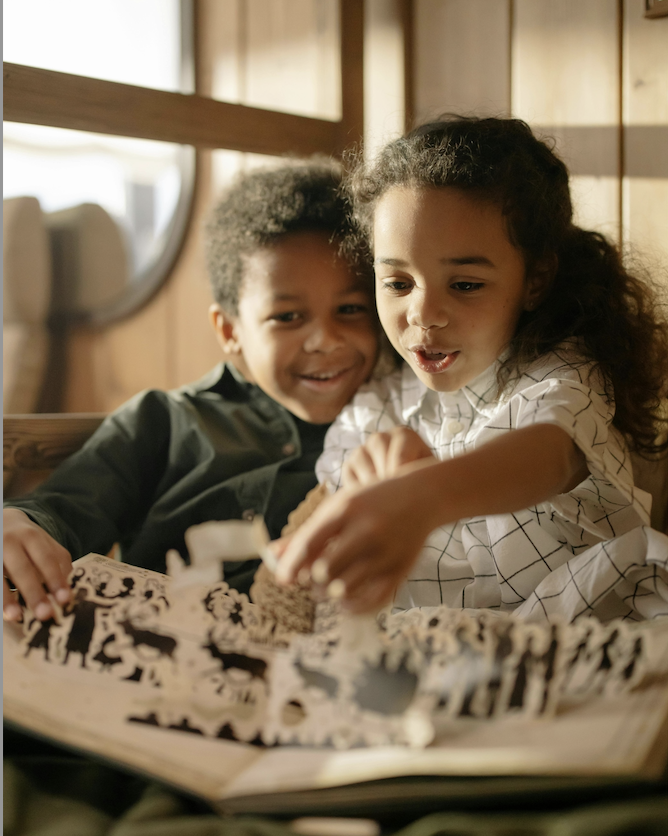
When I read Brilliant Bea, what stood out most was not just the story itself, it was the powerful reminder that children often shine in different ways. Bea uses a recorder to capture her ideas and tell her stories, while another child uses his pens and artistic talent to bring her words to life through pictures. Together, they show something many children need adults to understand: strength does not always look the same, and learning does not happen in only one way.
For children with dyslexia, this message matters deeply. Dyslexia can absolutely be debilitating when reading is inefficient in a world that depends so heavily on literacy. Difficulty reading can affect confidence, independence, education, how a child sees themselves, and employment opportunities. We should never minimize those challenges. Children with dyslexia deserve evidence-based reading support, explicit instruction, and the right interventions to help them build literacy skills as effectively as possible.
At the same time, many children with dyslexia also carry strengths that deserve recognition and nurturing such as creativity, storytelling, problem-solving, visual thinking, resilience, and innovation. The recently emerged What is Dyslexia? video helps reinforce this balanced message for kids by following the brief story of Lola: dyslexia can bring real challenges, but strengths can exist alongside those struggles. Acknowledging both matters. Children need honesty about their obstacles, but they also need hope and opportunities to discover what they do well.
Dyslexia is not something a person simply “outgrows.” It is a lifelong neurobiological difference that can change in how it presents over time, especially with strong intervention and support, but it does not disappear. Many children become adults who learn strategies, use tools, and build strengths that help them navigate reading, writing, and learning more effectively, yet the underlying differences often remain. Dyslexia can also run in families, as research suggests there is a significant genetic component, meaning it is often passed down through generations.
Parents may not recognize their own dyslexia until their child is identified, suddenly seeing familiar struggles reflected back at them. Understanding dyslexia as lifelong and often hereditary can reduce shame, encourage earlier support, and remind families that challenges with literacy are not signs of laziness or lack of intelligence, they are differences that deserve awareness, evidence-based support, and compassion.
It is also important to remember that support is not just for children and it is never too late. Many adults have spent years quietly struggling with reading, writing, or math, often believing they simply had to “live with it.” But today, there are far more resources, tools, and pathways to support than there were in the past. Adults can step out of the shadows and seek help through local libraries, community centers, religious spaces, literacy programs, or by learning about assistive technology resources. Asking for support is not a sign of failure, it is a step toward empowerment, confidence, and access.
This is where educational equity must enter the conversation, particularly in addressing longstanding disparities in how dyslexia is identified and supported across different communities. Not every child or adult has equal access to diagnosis, intervention, assistive tools, or communities prepared to help.
Literacy is not just an educational issue, it is a public health concern and one regarding equitable access. Every person, regardless of age, zip code, race, income, or learning difference, deserves the right to read.
The documentary The Right to Read reminds us that literacy access is deeply connected to justice, opportunity, and community responsibility. Actor and author Ameer Baraka shared his story with congress to remind us all that literacy and the ability to read can save lives.
Nurturing people means helping them find their strengths while also providing the correct evidence-based supports to address their challenges. It means seeing the whole person not just their deficits or their gifts alone.
Brilliant Bea shared with us that people thrive when their abilities are recognized, their struggles are supported, and their communities believe in their potential. Whether child or adult, every person deserves that balance. Every person deserves dignity. And every person deserves the right to read.
(photo credit – Cottonbro Studios on pexels)