Let’s See What’s Cooking for Dyslexia in Everyday Life
When most people hear the word dyslexia, they immediately think about reading.
But dyslexia in everyday life does not stay in the reading classroom.
It shows up everywhere.
In kitchens. Grocery stores. Restaurants. Workplaces. Colleges. And in the everyday moments that shape independence and confidence.
Dyslexia can affect reading recipes, identifying numbers on a stove, understanding food labels, navigating menus, following directions, completing paperwork, managing schedules, and so many other daily tasks that are often assumed to be “simple.”
For individuals with dyslexia, these moments require problem-solving, adaptation, and resilience that others may never have to consciously develop.
Understanding Dyslexia in Everyday Life
This is why dyslexia awareness cannot be limited to reading intervention alone.
Every educator, across every subject area, should understand how dyslexia impacts learning and life. Students do not stop being dyslexic when they leave English class. They bring their strengths, challenges, creativity, and unique ways of thinking into every environment they enter.
When we broaden our understanding of dyslexia, we begin to see something important:
Dyslexia is not just a reading difference. It is a learning profile that shapes how individuals engage with the world.
Understanding dyslexia in everyday life helps us recognize both the challenges and strengths that often accompany dyslexia. While reading and writing may require additional effort, many individuals with dyslexia develop strong problem-solving skills, creativity, persistence, and innovative ways of thinking.
Dyslexia in Action: Learning Beyond the Classroom
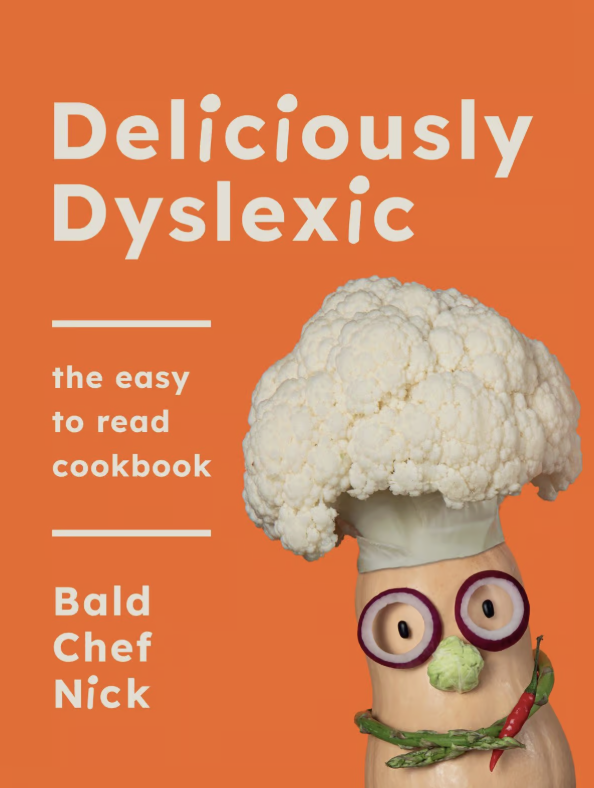
One of the people helping the world understand this reality is my colleague, Nick Jaye (“Bald Chef Nick”), a dyslexic chef, author, speaker, and advocate.
Nick’s work powerfully demonstrates that dyslexia does not define what someone can achieve.
His journey, from leaving school at age 15 to becoming a successful chef and author, reminds us that traditional educational paths are not the only routes to success. Different ways of learning can lead to extraordinary outcomes.
The kitchen is an especially powerful example of dyslexia in everyday life. Cooking often involves reading instructions, managing multiple steps, interpreting measurements, tracking time, and organizing information quickly. These tasks can present challenges, but they can also become opportunities to develop strategies and build confidence.
If you haven’t seen his work, I highly encourage you to explore his advocacy and watch his latest video created in collaboration with students from City St George’s, University of London.
Nick helps bring visibility to something essential:
With the right support, creativity, persistence, and self-belief, doors open that many people never imagined possible.
Rethinking What Success Looks Like
Nick’s story also helps young people with dyslexia see something incredibly important:
You are not limited by your diagnosis.
You can be:
- A chef
- An entrepreneur
- A teacher
- An artist
- A scientist
- A counselor
- A business leader
- A parent
Or any combination of roles that matter to you.
Success does not come from fitting a single mold. It comes from understanding how you learn, building on your strengths, and accessing the supports that help you thrive.
Too often, conversations about dyslexia focus exclusively on remediating weaknesses. While intervention is important, the larger goal should be helping individuals build meaningful, successful lives.
Final Thought
Let’s make sure the conversation about dyslexia has a seat at every table, not just in the reading classroom.
Because dyslexia is not only about reading.
It is about how people learn, adapt, create, contribute, and succeed in the world.
The more we recognize dyslexia in everyday life, the more effectively we can support individuals across classrooms, workplaces, communities, and homes.
And when we understand that fully, we expand what is possible.
For More about Bald Chef Nick